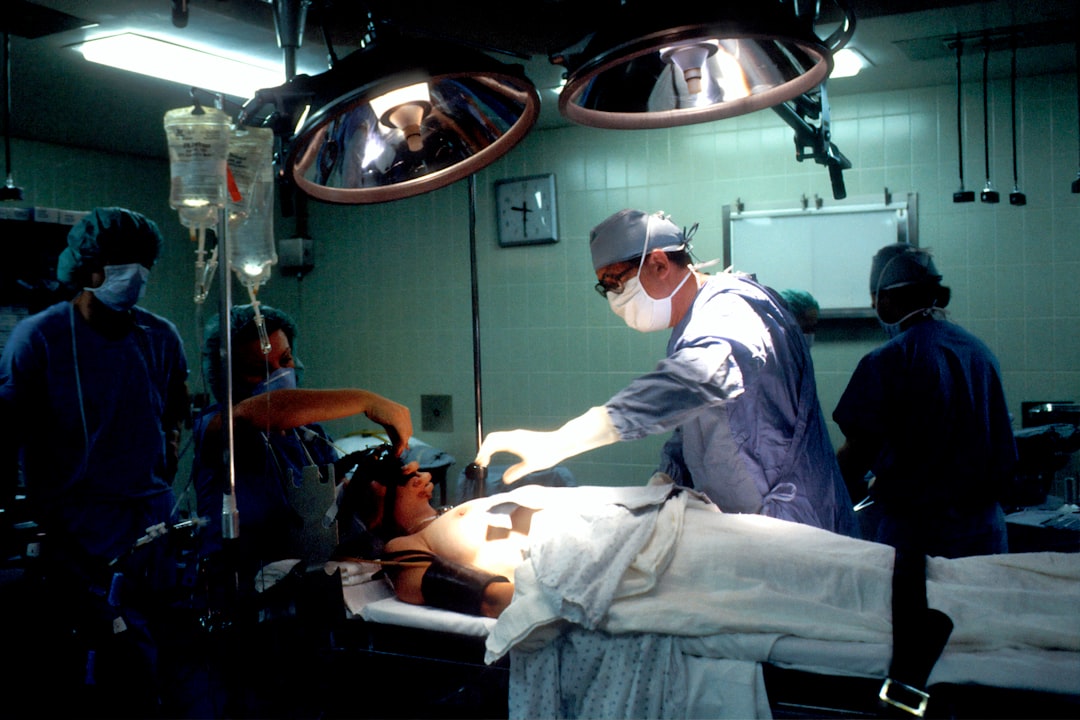
An overwhelming majority of cosmetic operations can be performed with local anesthesia; this is always advantageous because it minimizes the risk and there will almost never be any serious complications from local anesthesia.
The surgeon will usually decide to put tranquilizers directly into one of your veins. This should instill a feeling of relaxation, and you may begin to drift into a state resembling light sleep. Yet you remain basically awake, and are even able to move or talk whenever the situation warrants it. However, most patients remember little or nothing about the operation when IV tranquilizers are used, because they possess a remarkable quality - they induce complete amnesia for the time spent in the operating room. So not only is there absence of pain, but there are no bad feelings or memories regarding the surgery.
Then a numbing local anesthetic drug, usually Xylocaine (lidocaine), which is like Novocaine, is injected into the region being worked on and prevents the patient from feeling any pain, although the Xylocaine itself can momentarily sting a bit.
Of course, a few operations such as breast reduction require general anesthesia, and being put completely to sleep obviously entails a little more risk.
Restoration note: the original publication date for this article was not recorded in any surviving capture. The date shown is the date of the earliest Internet Archive capture, which is the latest possible publication date.